The Salomons Museum

Home - Find Us - The Story - Resources - Contact Us


Salomons Stories

1. The Salomons Family 2. The Salomons Homes 3. Public Life 4. Science & Technology 5. The Collecting Bug 6. After the Salomons

4. Science and Technology

Science

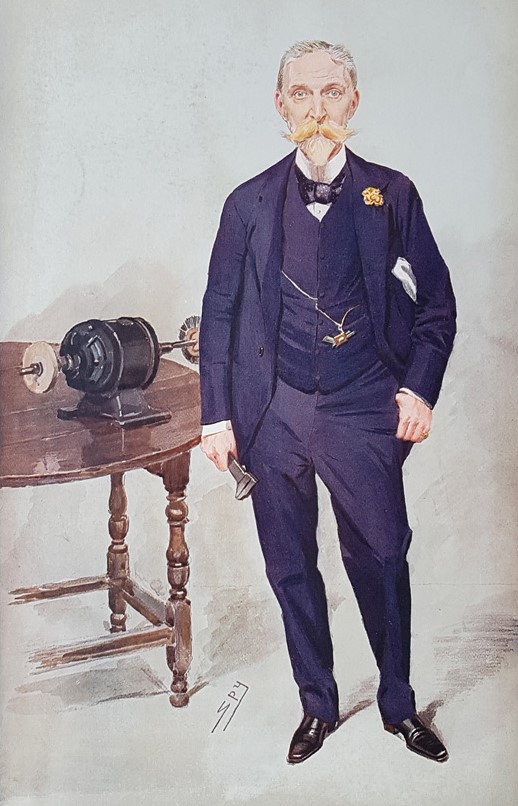
'Spy' cartoon of David Lionel Salomons ('Vanity Fair', 17th June 1908) DSH.M.00225.


David Lionel Salomons was a noted scientist and engineer. Though only an amateur, he worked at the leading-edge in many fields, and collaborated with some of the great names of the age.

The 'Spy' cartoon of him (see left) from 1908, is entitled 'Electricity' but his interests went well beyond that. They are summarised in the sections below.

He started young. In an autobiographical note in one of his books* he wrote: 'I was born a "mechanic"... I never cared for ordinary toys. A clockwork engine, some building bricks, and a box of tools occupied me in my play time'.

Neither his father, nor his uncle, seems to have been inclined that way. He suggests** that it came from his great-grandfather - Benjamin Gompertz - a noted mathematician, whose study of mortality statistics was one of the foundations of the life insurance industry.

* His study of the French watchmaker, Abraham-Louis Breguet (1921). p.2. ** p.6.

Horology and Mechanical Engineering

Family

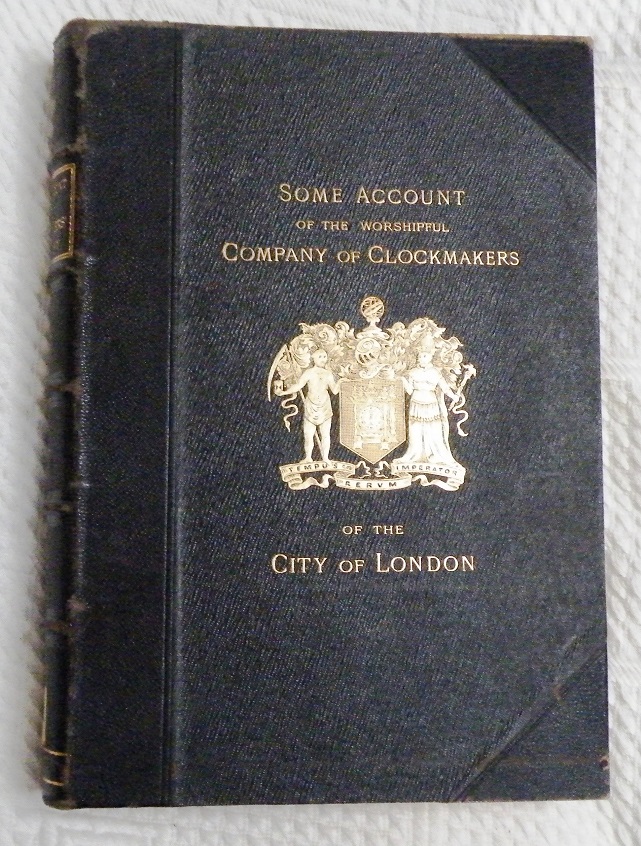
History of the Clockmakers Company presented to DLS in 1921. DSH.M.00344.

Watchmaking

In the Breguet book, Salomons went on to explain how, aged 14, he had made friends with a local watch-maker near their London home, who taught him the necessary skills and allowed him to take home customers' watches to repair.

In adult life this developed into a fascination with watches and other forms of automata. He particularly admired the work of Breguet, and put together a world-class collection of his work, which is now held at the LA Meyer Institure in Jerusalem (see here) . It also led into a wider involvement with mechanical engineering - see below.

But watches remained a life-long interest, and in 1921 Salomons became a liveryman of the Worshipful Company of Clockmakers (see left). In 1924 he presented them with eight watches from his collection. At least one of them - by Ellicott and Taylor - is currently on display at the Science Museum (see here).

Mechanical Engineering

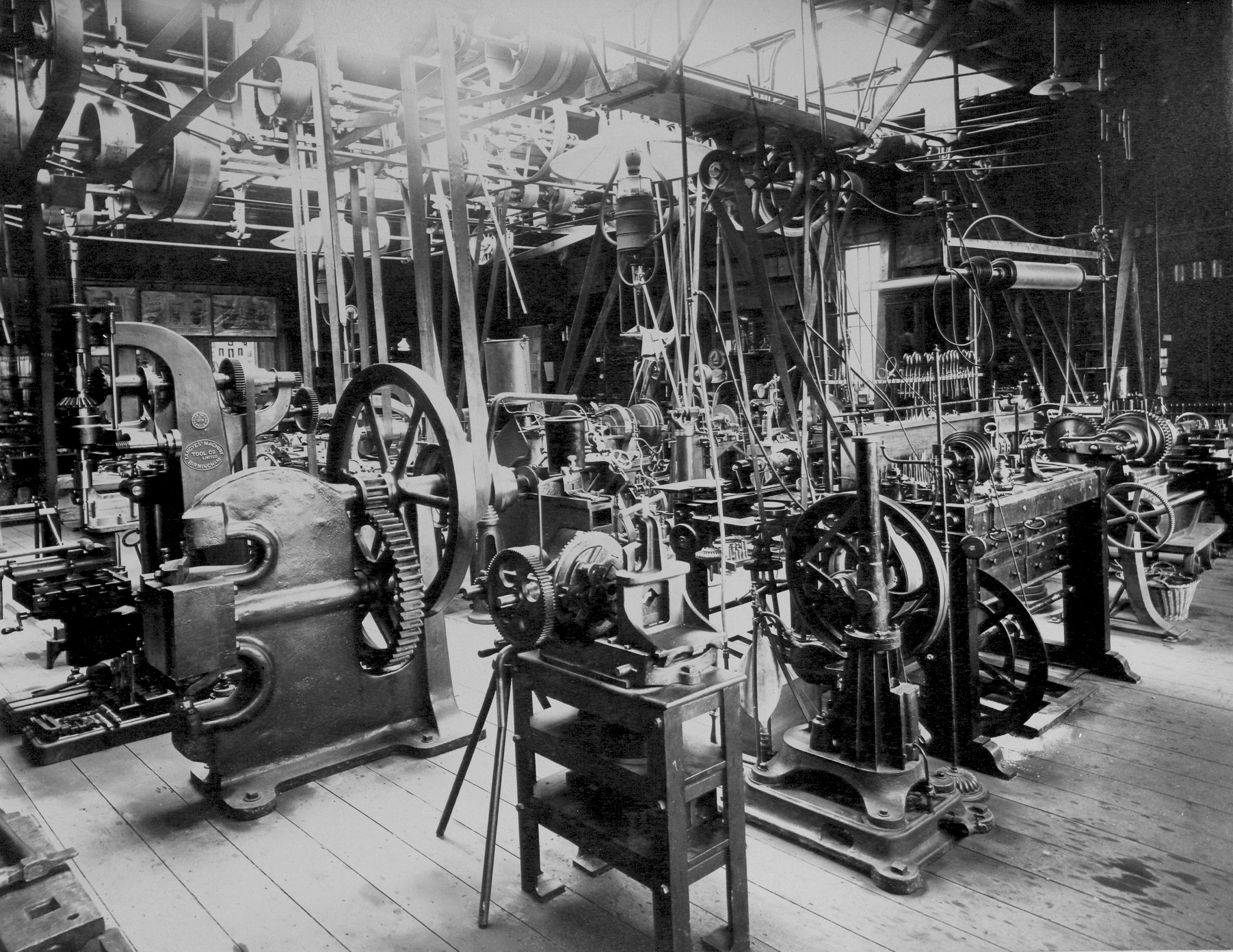
In about 1880, Salomons built himself two large workshops behind the house at Broomhill, full of the most advanced equipment: lathes, boring machines, etc. The equipment no longer survives*, but there are photographs of it in the 1890s (see right). It was not intended for any sort of manufacturing business, but for Salomons own experiments, and to support, for example, his introduction of electricity to the site - all the equipment needed for that will have had to have been purpose-made.

One of Salomons' many other projects was a proposed safety feature for railways, involving a third rail, which would carry an electric current when there was a train on that section of track. He produced a scale model to demonstrate - presumably made in the workshop. (The proposal was not taken up by the railway companies.) The workshops were an essential part of most of the projects described below.

* One of the lathes - Holtzapffel no. 2021 - is apparently held by the Whipple Museum of Science at Cambridge, though is not on display. It seems to have been owned originally by David Salomons, who perhaps bought it for his nephew's use as a teenager.

lathes

A view of David Lionel Salomons' workshop at the rear of Broomhill. A quite extraordinary collection for a private individual. DSH.M.00527b.

Back a bit << Back to the top <<

Optics and associated subjects

Family

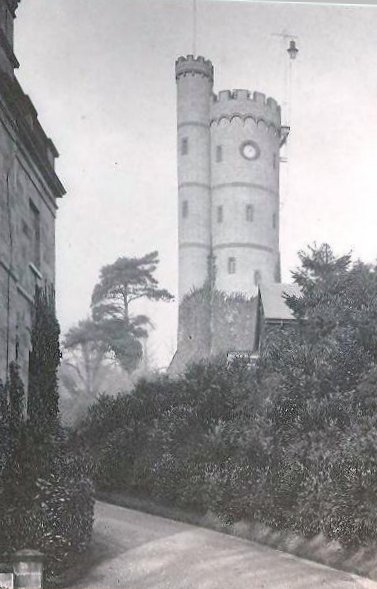
The Broomhill tower, built by DLS in 1876 as an astronomical observatory. DSH.M.00521.9a. NB This picture is from the 1890s. The roof is different and there is an electric arc lamp.

Astronomy or Optics?

In 1876 David Lionel Salomons built a tower alongside Broomhill. It is usually referred to as the 'water-tower', and it has been used as such, but it was originally intended as an observatory. It would seem perfectly natural that the scientifically-inclined Salomons would be interested in looking at the stars; but there is very little else in the Broomhill collection that would confirm this*. It is suggested rather that he was mainly interested in the equipment - the telescopes, and in the study of optics in general.

The sections that follow examine this and the related fields of photography and radiography.

* Though one of the guests at his inaugural banquet as Mayor of Tunbridge Wells in 1895, was the Astronomer Royal. It might just have been a shared involvement in science generally.

Microscopes and Magic Lanterns

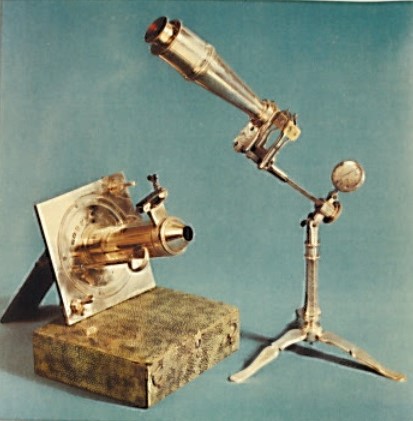
There are no telescopes in the collection at Broomhill, but then there are no microscopes either. It is clear, though, that he did have microscopes. In 1919 he donated one of them (made in 1754) to the Royal Microscopical Society. It is now in the History of Science Museum in Oxford (see right). And they do pop up for sale from time to time .

Some of his microscopes might have been historical specimens, but he was involved in contemporary developments too. In 1892 he gave a lecture to the Royal Institution on projection microscopes *. He chose to use an electric arc as a light source, rather than the more usual 'lantern', which caused some practical problems, but also generated useful discussion with the listeners.

Projection microscopes were for serious study, but Salomons was equally involved in the development of the 'magic lantern' which had recreational uses too. These were a sort of Victorian slide-projector. They usually had a single lens, but Salomons used a three-lens version , and developed a technique that would allow 'fading' between the three images. He was also an early-adopter of Gaumont's 'chronophone' system that synchronised sound and pictures in magic-lantern displays.

* The talk was printed under the title 'Optical Projection', DSH.M.00459.

lathes

1754 silver microscope by Francis Watkins, donated to the RMS by Salomons in 1919. Now in the History of Science Museum in Oxford, item no.53619.

Photography

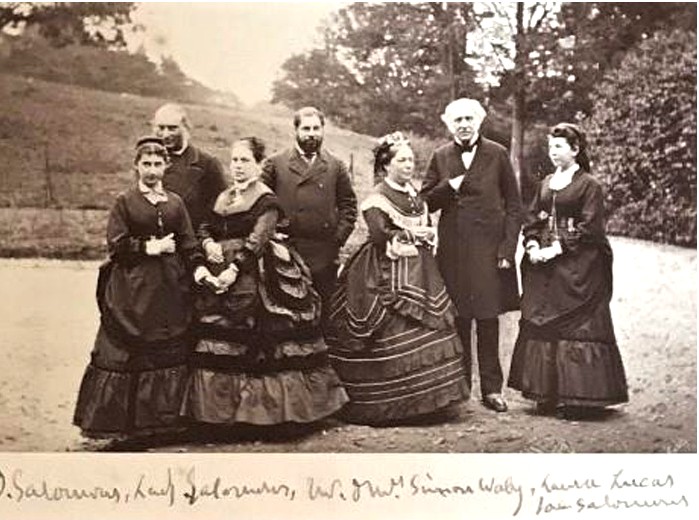
Salomons had a camera in his teenage years and did his own developing and printing. Family pictures from this time show, for example, newly-acquired cousins following his uncle's second marriage (see right). But he also created material for public display - the thirty pictures of his uncle's art collection produced for exhibition in South Kensington in 1873, for example (see here).*

The changes at Broomhill in the 1890s to provide the lecture theatre included a studio and dark room . Salomons, of course, was not content to simply take pictures - he would have been looking for ways to improve the process. In 1875, for example, he developed an electrical attachment that allowed him to take pictures remotely - for self-portraits perhaps. And in 1888, he patented a design for a slide-rule to assist photographers determine the appropriate focus and aperture. He was interested in all sorts of special effects (those 1873 pictures for South Kensington, for example, were intended to appear as engravings). A stereoscopic viewer - to present a 3D image - would obviousy have appealed .

He was a member, indeed a Fellow, of the Royal Photographic Society; and was an active President, for many years, of the Tunbridge Wells Photographic Society, hosting meetings at Broomhill .

* For Michele Klein's review of his early work (see here).

lathes

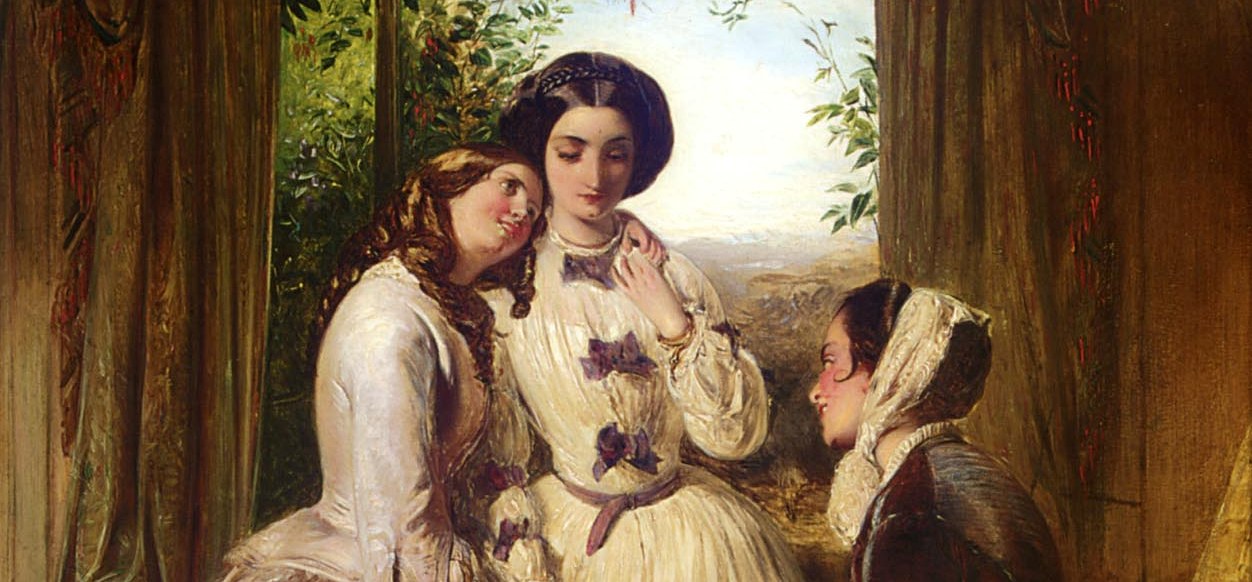
Family picture c.1872. Cecilia (David Salomons' new wife) 3rd from R. Her daughter, 3rd from L. David Lionel's two sisters, on extreme left and right.

Radiography

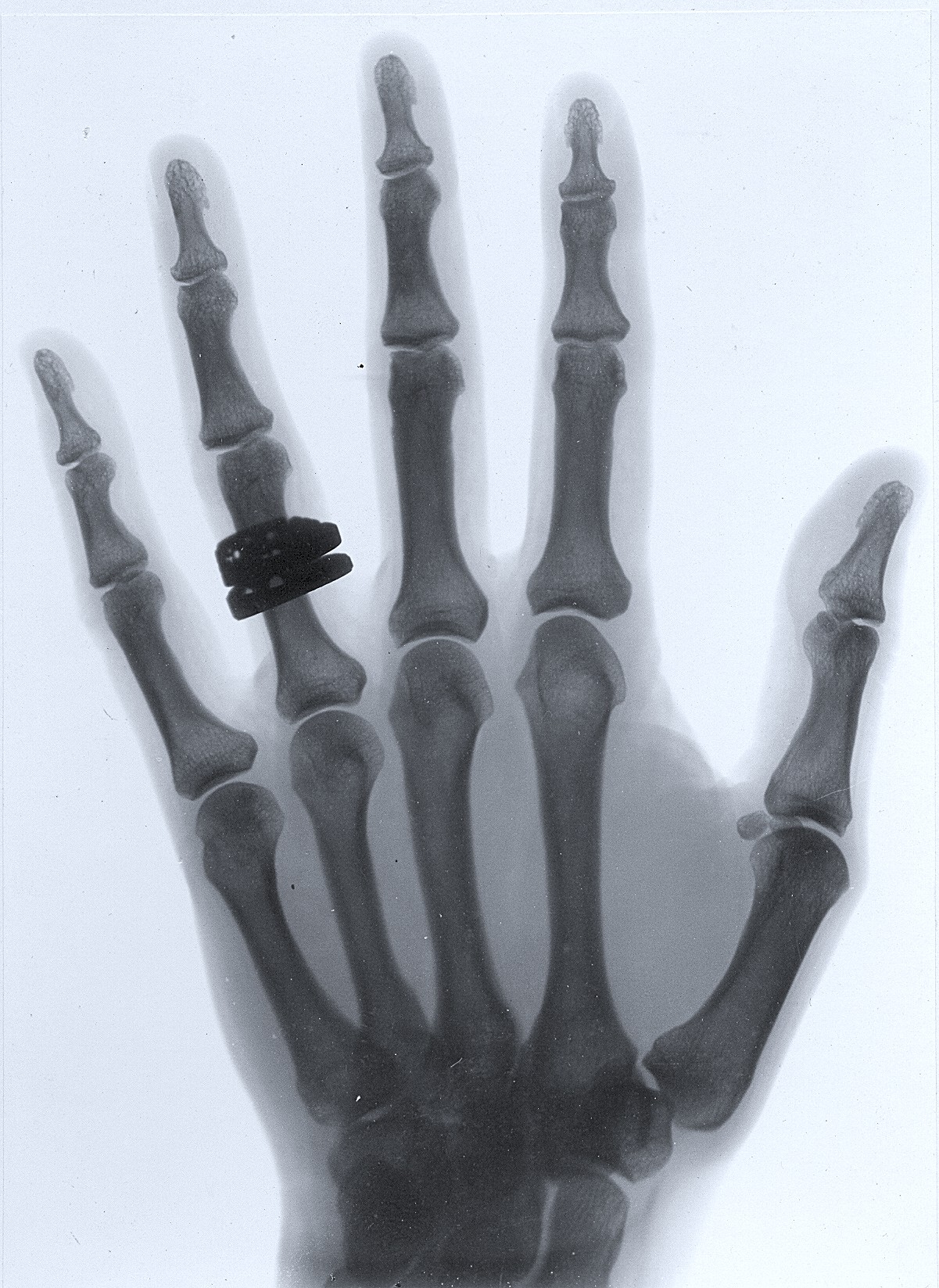
Photography had been around for some time but x-rays and radio-activtity were a new development in the late 1890s. Salomons was immediately interested. We don't know exactly when he produced his experimental images - of a human hand (see right), and a mouse , but possibly in the early 1900s. The extra facilities built alongside the lecture theatre included a dedicated x-ray room.

X-rays of course, are dangerous, though it's not clear when this was recognised. We do have documents from the period suggesting that there was a certain formality involved in handling radium, though that might have just been because it was extremely expensive.

Its use in medecine, for diagnostics and the treatment of cancer, seems to have been identified fairly quickly. In 1912 Salomons paid for the installation of equipment at the Tunbridge Wells General Hospital *. He also treated them to a lecture . Six years later he funded additional facilities: an X-ray diagnosis room, and an electrical treatment room, in memory of his son, David Reginald Salomons, who had died in 1915. He also donated radium in 1913 to the 'Cancer Hospital' in Fulham Road - presumably the Royal Marsden.

* Replacing equipment that he had himself installed in 1897 and 1902 (DSS Jnl Nov 1988).

lathes

One of Salomon's experiments with X-rays - human hand. DSH.M.00523a..

Back a bit << Back to the top <<

Electricity and associated subjects

Family

.

Electricity

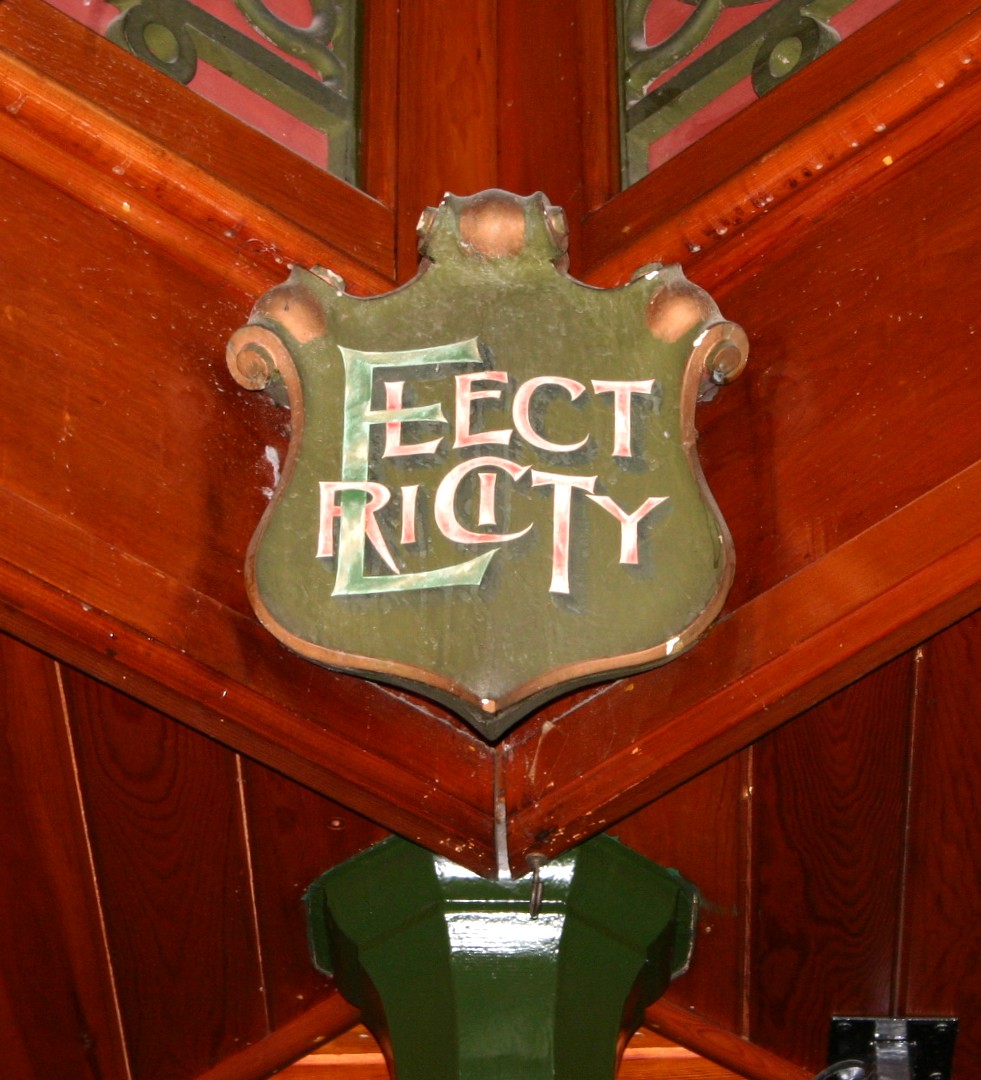
The image, left, is one of the shields decorating the gallery in the Science Theatre at Broomhill. There are others that celebrate 'Art' and 'Literature'; but the inclusion of shields specifically naming 'Kelvin' and 'Faraday' tends to suggest where Salomons' main interest lay.

The sections that follow look at how electricity was installed at Broomhill in the 1870s and 80s; at electricity as a subject to be studied and taught; and at Salomons' place in the wider world of electrical innovations.

Electricity at Broomhill

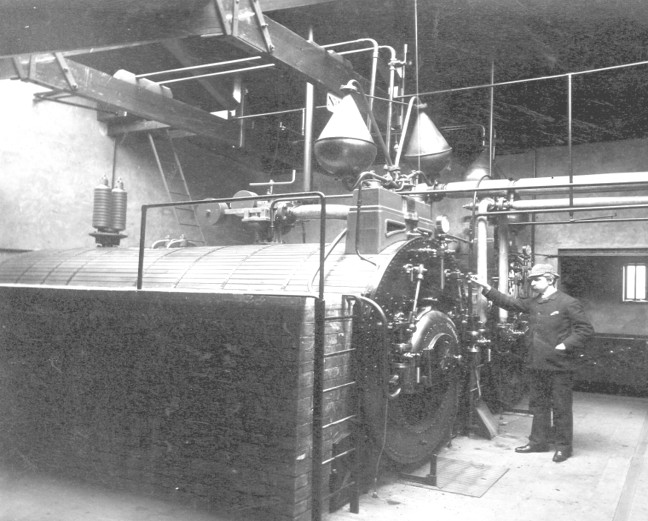
When David Lionel inherited Broomhill in 1873 there was no electricity there, though there was gas lighting - from a private gas works at the bottom of the hill. His early workshops, c. 1876, were lit by electric arc lamps, powered by battery. By about 1882 he was generating his own electricity - in a single-storey brick building (which still survives) just below the 'water' tower. The process was adapted and improved over the years, the pictures (see right and ) are from the 1890s. The plant continued to serve Broomhill until 1911 when the house was connected to the municipal supply - something that Salomons himself had introduced when mayor in 1895.

Broomhill was one of the first houses in the country to be lit by electricity, and the first to use it for various domestic purposes. This was an electric butter-churn designed by Salomons. He also used it for more academic purposes - this device, for example, is for measuring the speed of light. And in 1886 he got a patent for this adjustable lamp - examples can be seen in a number of his photographs.

Some of his switchgear survives to this day, such as this in the theatre.

lathes

Salomons in the generator house, 1890s. DSH.M.00527j.

Electricity - spreading the word

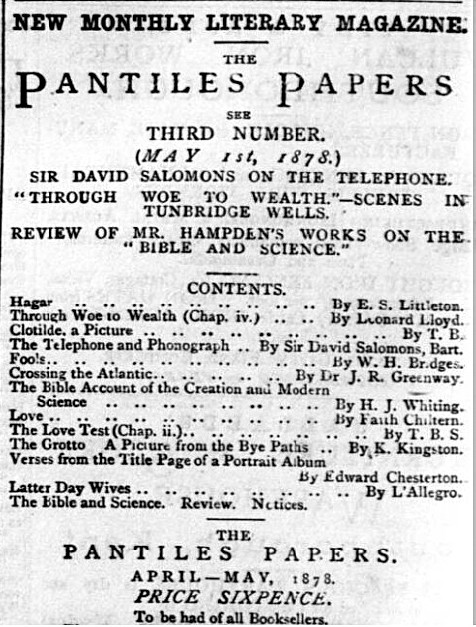
Young Salomons was keen to tell others of these exciting developments. He lectured at the Mechanics Institute in Tunbridge Wells and at the Literary, Scientific & Useful Knowledge Society. And he wrote articles (see right). The telephone and phonograph were both very new, though he describes the 'phonograph' being used as a dictation device rather than for reproducing music.

He shared his extensive practical knowledge of managing an electrical installation in his book 'The Management of Accumulators' . This went into eleven editions, and was translated into French, German and Spanish. ('Vanity Fair', though, in June 1908, called it 'three appallingly solid volumes [of] unappetising stuff'.)

The building of the Science Theatre in the mid 1890s (see here) was specifically to allow Salomons to continue his proselytising efforts on behalf of the new sciences - to both local audiences and groups down from London.

Later in life he adopted a less serious approach: producing small booklets , which he gave as New Year gifts. Many of them addressed scientific topics, but for a general readership. The 1912 edition contemplated a Rip van Winkle situation of someone who fell asleep in 1862 and woke up in 1912 to encounter all the inventions that had so fascinated Salomons: the telephone, light bulb, electric kettle, typewriter, etc .

lathes

The Pantiles Papers - May 1874. An article by Salomons on the newly-invented telephone and phonograph. DSH.M.00340

Membership of the Electrical Establishment

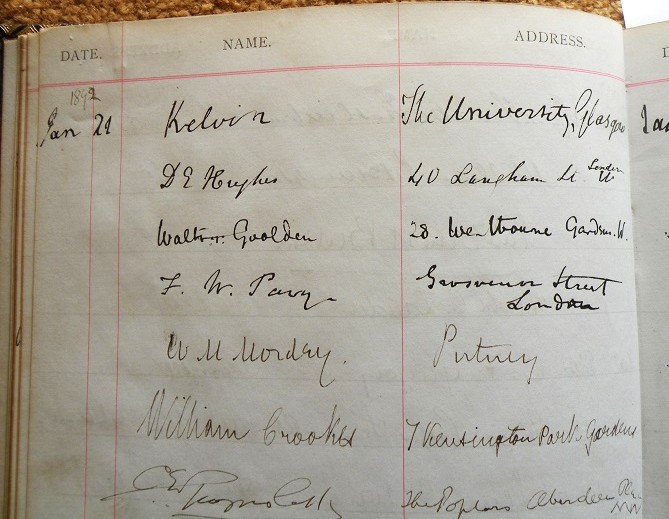
Salomons didn't work alone. He was part of a network of scientists and engineers. Their names appear in the visitors' book at Broomhill (see right). Some of these are well-known: Lord Kelvin, for example, and David Hughes, inventor of the microphone; but the others, Walter Goolden, William Crookes, William Mordey, and Charles Spagnoletti are all recognised for their contributions to science.

Joseph Swan, inventor of the incandescent light bulb*, was a friend, and sent Salomons a Christmas card each year . And William Siemens, who lived at Sherwood Park on the far side of Tunbridge Wells, is said to have experimented with signals to Salomons from a mast in his garden . His widow presented the mast to Salomons - it remained in the grounds at Broomhill until the 1990s.

Many of these researchers had worked in the telegraph industry. Salomons was an early member of the Society of Telegraph Engineers (formed in 1871). This became the Institution of Electrical Engineers in 1888, with Salomons as Vice-President (he had hoped to be President, but this was restricted to professionals). Going into the new century Salomons was particularly taken with a new technology - radio. He was Vice-President of the Wireless Society of London (and of the Radio Society of Great Britain which it became in 1922). Many of these societies had formal dinners, which Salomons enjoyed. This menu , organised by him for the City of London Electric Lighting Co, stressed that the food was cooked by electricity.

* Salomons was apparently asked whether Jews could use these on the Sabbath, and considered that it was acceptable, as it was simply a chemical reaction, and not lighting a fire.

lathes

Broomhill visitors book, Jan 1892. Some very significant names. DSH.M.00352.

Back a bit << Back to the top <<

The Motor Car

lathes

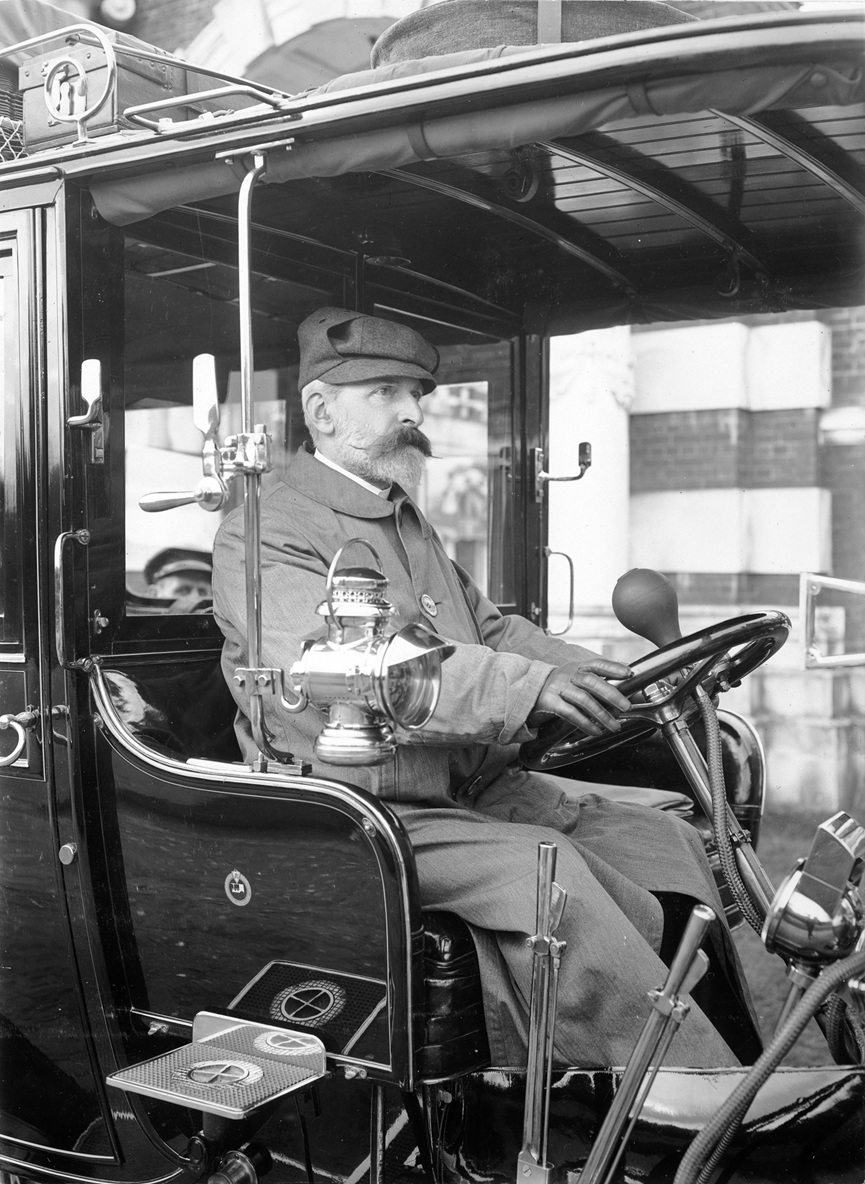
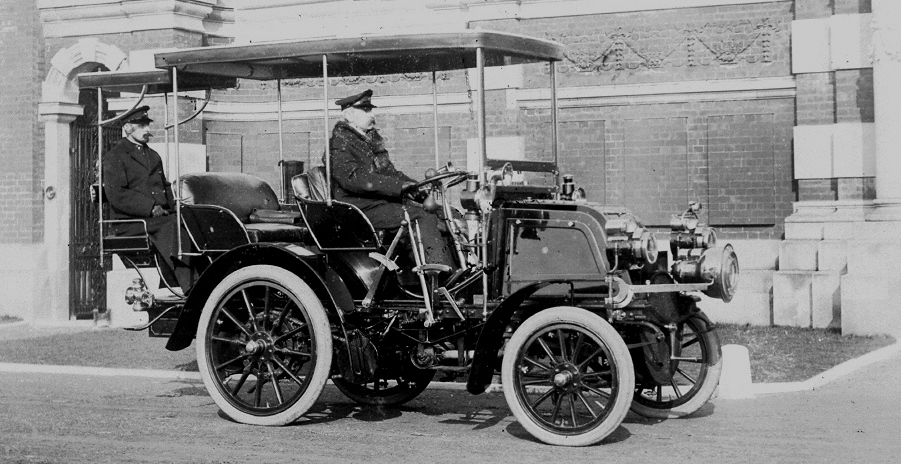
Salomons at the wheel of one of his early cars. DSH.M.00515v.

The Motor Car

To many people, Salomons' greatest achievement was the introduction of the motor car to Britain in the late 1890s. He was certainly an enthusiast. In 1906 he claimed to have owned more than sixty. A panel, found in one of his garages would seem to list these.
Salomons actually built his own first 'little automobile' in 1874 - a 2 hp electric tricycle, but problems with the batteries meant it wasn't a success. Unfortunately no picture of this survives (though it is mentioned at the top of his list).
But there weren't just technical problems to overcome - the biggest barrier to development in Britain was the law, and Salomons played a key role in getting this changed.

The 'Red Flag Act'

In 1881 Salomons hoped to buy a steam-powered tricycle made by Arthur Bateman of Greenwich. A ruling of the Court of Appeal, though, effectively made its use illegal. The decision was based on the Locomotives Act of 1865. This sought to discourage the use of self-powered 'locomotives' on British roads. It imposed a speed-limit of 4 mph (2 mph in towns), and the requirement to have a man walking in front carrying a red flag (the red flag requirement was actually dropped in 1878). The law was designed to protect the interests of horse-drawn carriage proprietors and the industries supplying them; and grew out of actions taken against steam-driven carriages / omnibuses in the 1820s and 30s.*
Innovators in France and Germany were not restricted in the same way. In 1894, Salomons (a great Francophile) went to Paris and ordered a 3.75hp petrol-engined Peugeot .** A fellow enthusiast, the Hon Evelyn Ellis, beat him to it, and his Panhard-Levassor was the first motor car to reach England. Both were powered by Daimler petrol engines, though early in 1896 Salomons seemed to be arguing in favour of steam power.***

* Salomons collected prints of these earlier vehicles . They were left, after his death, to the Bibliotheque Nationale, but a number had featured in a 1905 article in 'Connoisseur' magazine.
** Getting it home from Dover wasn't easy. It took over two days - with a man walking in front. The man was Harry Cooke, a local mechanic, and the story comes from his family. Another (unattributed) account talks of it being delivered by rail and horse-drawn carriage.
*** In a leaflet: 'Self-Propelled Carriages - Eight Days in Paris', though a steam engine fired by petrol rather than coke was the ideal. DSH.M.00463.

lathes

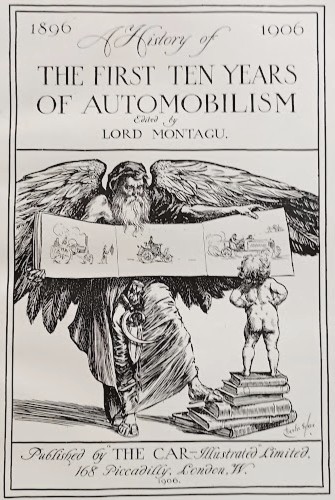
Frontispiece to 1906 book edited by Lord Montagu. Salomons contributed a chapter on 'Reminiscences and Anticipations'. DSH.M.00388.

The Horseless Carriage Exhibition

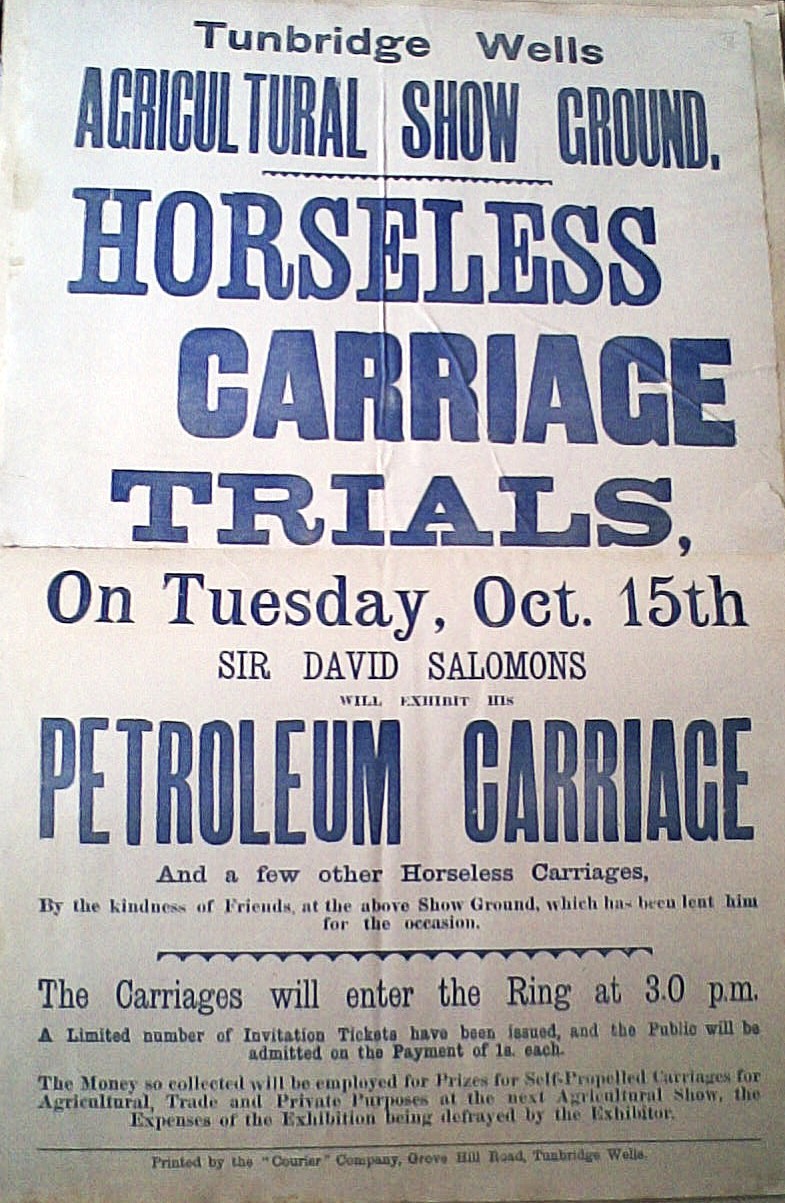
Use of the two new cars, though, was very restricted. Salomons decided to campaign for a change in the law.* In October 1895 he organised 'horseless carriage trials' in Tunbridge Wells (see right) - a public event on the agricultural show-ground (he was mayor at the time). There were only five exhibits: two cars - Salomons' Peugeot and Ellis's Panhard; a petrol-powered de Dion Bouton tricycle ; a steam-powered tractor pulling a barouche ; and a petrol-engined 'fire engine' .
The event was nevertheless a success: five thousand attended, and it was reported positively in the press. But it was only the start - other exhibitions followed,** and Salomons claimed that he sent out 56,000 letters seeking support.
In August 1896 a new Locomotives on Highways Bill received the Royal Assent. 'Locomotives' of less than 3 tons were exempted from the earlier restrictions, and could travel at up to 14 mph. The battle was won.

* There was an attempt to change the law in 1895. George Shaw-Lefevre MP presented a bill in June, but there was then a general election and he lost his seat.
** Salomons gave Lady Salisbury (wife of the new Prime Minister) a demonstration at the Crystal Palace exhibition in May 1896 - she was most impressed. Her husband declined the offer - he was afraid of being sea-sick.

lathes

Notice for the 1895 'Horseless Carriage Trials' - an 'epoch-making' exhibition in the words of the local paper. DSH.M.00339.IV.106.

The Motoring World

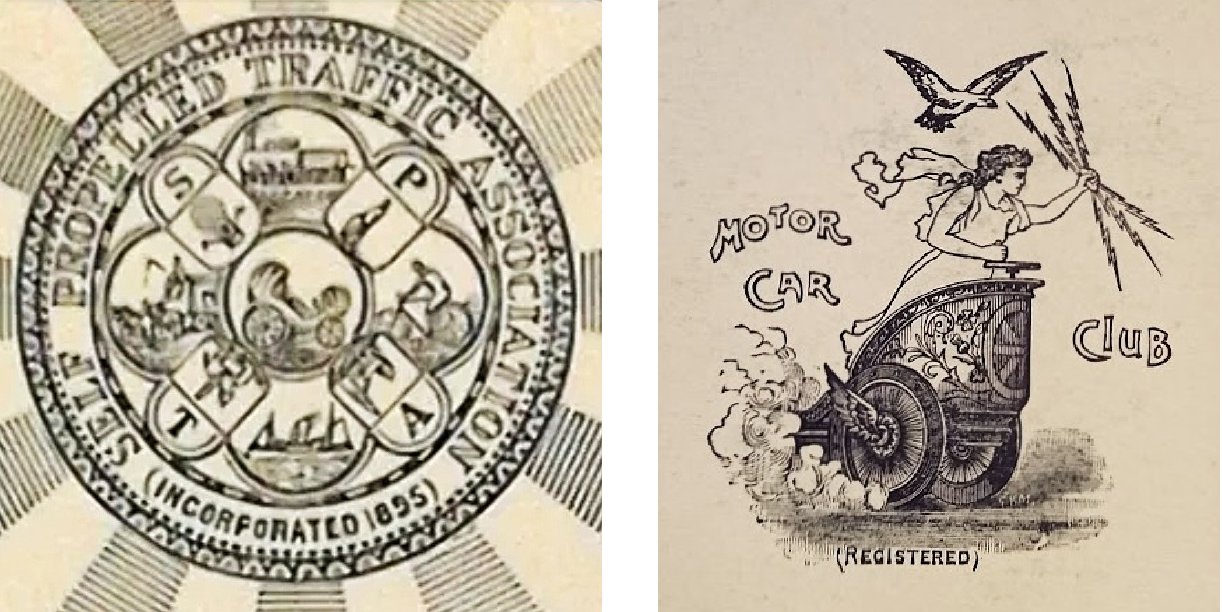
As in other spheres, Salomons looked to make contact with other pioneers. He set up formal bodies for discussion and recognition (and annual dinners). In late 1895 he founded the Self-Propelled Traffic Association to lead the campaign for a change in the law (see right). A rival body, the Motor Car Club, was set up by Frederick Simms*. This group was more representative of manufacturers, and was also backed by Henry Lawson, a rather dubious financier. For a couple of years the two groups were rivals, though the MCC's advertising no doubt helped to spread the word .
In 1897 Simms, disillusioned with Lawson, set up the Automobile Club of Great Britain (ACGB), Salomons seemed initially to be hostile**, but the ACGB and the SPTA eventually merged as the Automobile Club of Gt Britain and Ireland - later (1907) the Royal Automobile Club. Salomons, meanwhile, continued his association with automobile clubs on the continent (see here).
In 1902 Alfred Harmsworth published 'Motors and Motor-Driving' with a chapter by Salomons on how to build 'motor stables' something that had not had a lot of attention . The Broomhill garages also featured in the 'The Motor' magazine in 1909 as a model for other owners .

* Simms was an Anglo-German engineer and businessmam, with close links to Daimler (at one point he held the British rights). He accompanied Ellis to the 1895 exhibition, and may have visited Salomons, but they had different motivations and drifted apart.
** He tried to register the name - possibly on behalf of the AC de France, but was unsuccessful.

lathes

Rival organisations seeking the same ends. Self-Propelled Traffic Association, and the Motor Car Club. DSH.M.00553.1(MCC).

Other Forms of Transport

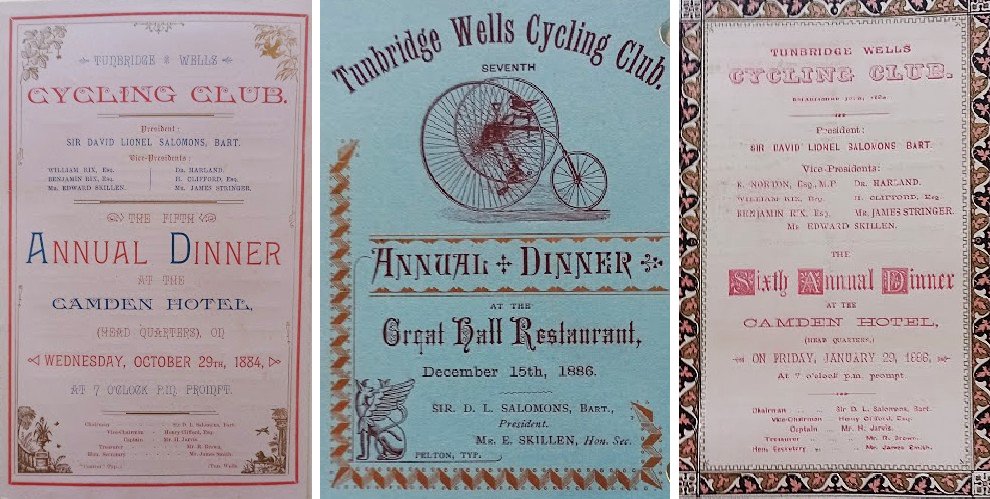
Salomons interest in the motor car was driven by a love of engineering rather than of travel, though we might consider his involvement with other forms of transport. Cycles, not affected by 'red flag acts', advanced rapidly in the 1880s. Salomons was a keen member of the Cycling Club in Tunbridge Wells (see right). And, being a director of the South-Eastern Railway, he was able to arrange the restoration of the 'Invicta' railway locomotive .
As for aviation, he was a founder of the Aero Club of the UK in 1901/2 (he was already a member of the Aero Club de France ). His views seem to have been mixed. In 1902 he said that he would feel safer in a pedal-driven aircraft rather than in a motor-powered one. Yet in 1906 he offered a trophy to the first person to make a one-mile flight in a British-made powered aircraft.* His initial interest had been in balloons, reflected in his collection of 'ballooniana' (see here). Yet it seems that he never actually went up in a balloon.**
To end with something perhaps unexpected - Salomons' continued interest in carriage-driving. In 1894 he joined the Coaching Club, and was a member until at least 1906, attending their annual meets in Hyde Park .

* It was won in 1909 by Charles Rolls, a friend of Salomons (and founder of Rolls-Royce). (The following year he became the first person to die in an aircraft crash in the UK.)
** He is reported to have said that 'the raising power of hydrogen was not equal to the pulling power of the petticoat' (which presumably means that his wife didn't approve).

lathes

Salomons was President of the Tunbridge Wells Cycling Club from 1884 (though it could just indicate a fondness for annual dinners). DSH.M.00325.

Back a bit << Back to the top <<

Back to the top <<


Unless otherwise stated, all content is copyright of the Salomons Museum.

Please do not copy without permission. 11.02.26